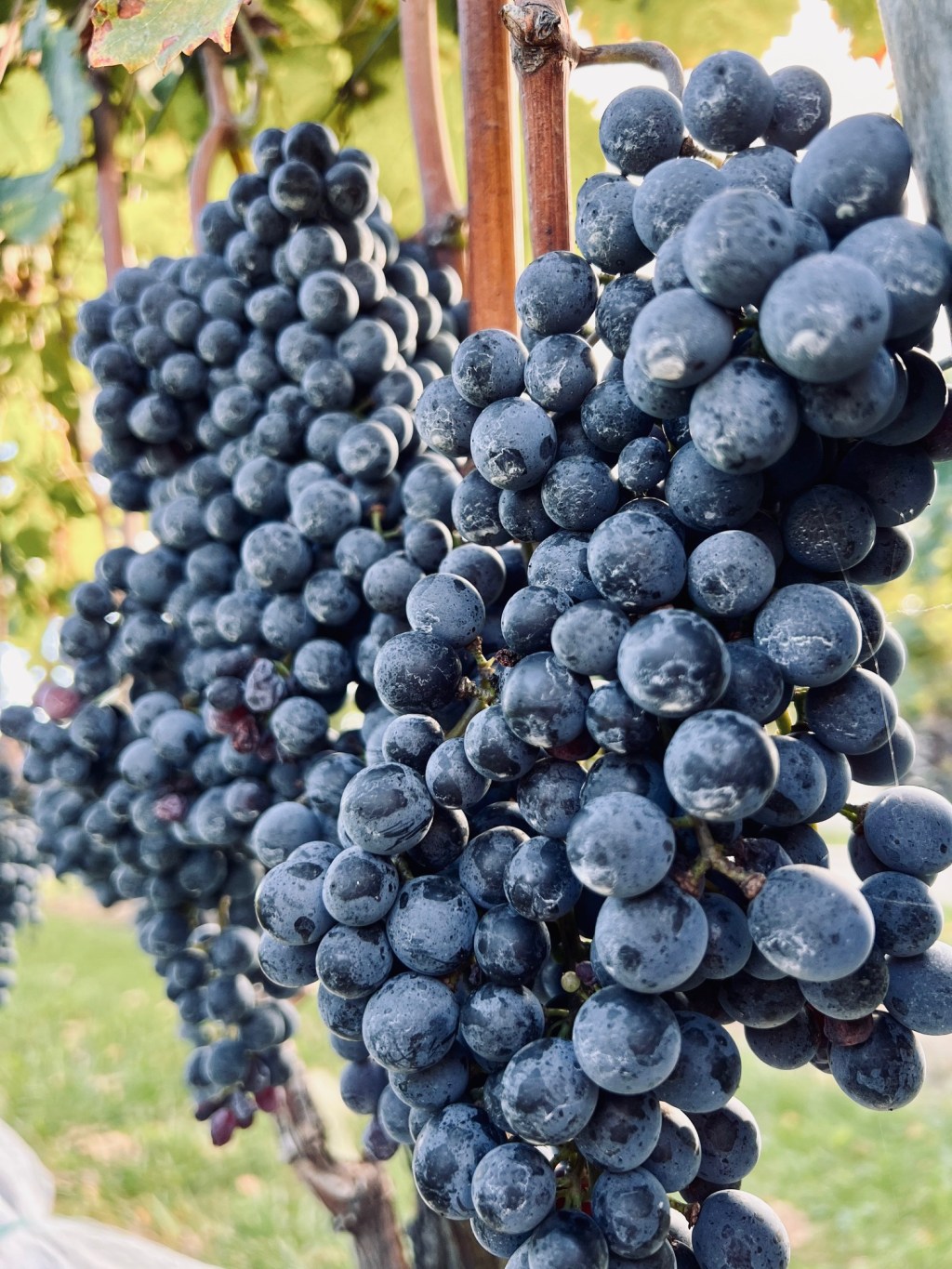

In the vast modern world of wine, certain grape varieties have always held the spotlight—Cabernet Sauvignon, Chardonnay, and Pinot Noir, to name a few. However, behind these household names lies a treasure trove of forgotten grape varieties, once popular but gradually overshadowed by changing preferences and market demands.
Today, a growing number of passionate winemakers are working tirelessly to bring these once forgotten varieties back to life. In this post, we’ll briefly explore the history of these rediscovered grape varieties and how they are making a comeback.
The Fall and Rise of Forgotten Grape Varieties
Why Some Grape Varieties Were Forgotten
Over centuries, the popularity of grape varieties has ebbed and flowed due to various factors—economic shifts, changes in consumer tastes, the impact of phylloxera (a devastating vine pest), and the industrialization of agriculture. Additionally, it’s possible that wars and political changes led to the abandonment of vineyards in several of the regions where these varieties once thrived. Many of these forgotten grapes were left behind in favor of higher-yielding, disease-resistant varieties or those that produced wines more in line with contemporary palates.
Examples of Forgotten Grape Varieties Making a Comeback
Some of these grapes have become our new favorites and are popular additions to all the great wine lists in town.
- Mencia: Native to Spain’s Bierzo region, Mencia was once the backbone of local wines. However, it was overlooked for years in favor of international varieties. Recently, Mencia has been rediscovered for its ability to produce elegant, complex wines with fresh acidity and aromatic depth. Modern winemakers are now showcasing Mencia in single-varietal wines that highlight its unique character.

- Assyrtiko: This ancient Greek variety from the island of Santorini was almost lost to time as other international white grapes gained popularity. Known for its high acidity and minerality, Assyrtiko is now celebrated for its resilience in harsh climates and its potential to produce age-worthy wines. Its resurgence has sparked interest in other Greek varieties as well.
- Timorasso: Once widespread in Italy’s Piedmont region, Timorasso nearly vanished in the 1980s. Thanks to the efforts of farmer, Walter Massa, and a handful of dedicated winemakers, this white grape is enjoying a renaissance. Timorasso produces rich, textured wines with a distinctive honeyed quality and the ability to age gracefully, making it a favorite to taste among those looking for something different from Italy.
- Romorantin: A lesser-known variety from France’s Loire Valley and a sibling of Chardonnay and Aligoté, Romorantin was almost extinct due to the popularity of Sauvignon Blanc, Chenin Blanc, and Chardonnay. However, in recent years, it has been revived in the Cour-Cheverny AOC by producers who appreciate its ability to produce wines with bright acidity and complex flavors, often with a slightly oxidative edge that appeals to adventurous palates. Some compare these wines to a fresh Chablis.
- Saperavi: An ancient Georgian variety, Saperavi is one of the few red grapes that have colored flesh, which is called a teinturier grape. Historically, it was a dominant variety in the Kakheti region, but it fell out of favor as international varieties took precedence. Today, Saperavi is being revived for its deep color, robust tannins, and capacity to produce long-lived wines with rich, dark fruit flavors and a distinctive earthy undertone. Winemakers in Georgia are producing Saperavi wines in a variety of ways, such as in the traditional Qvevri (large earthenware vessels that are buried underground and used for fermentation and aging), aged in oak or concrete as a more “European-style”, or even as a rosé or sweet dessert wine.
- Areni Noir: Indigenous to the Vayots Dzor region of Armenia, Areni Noir is a resilient, thick-skinned grape that has survived for millennia in the harsh climate of the Armenian highlands. Once overshadowed by other varieties, Areni Noir is now experiencing a resurgence. It produces elegant red wines with bright acidity, red fruit flavors, and a unique minerality that reflects the volcanic soils of its homeland. This grape is celebrated for its connection to Armenia’s ancient winemaking traditions.
- Dabouki: An ancient white grape variety native to the Middle Eastern Mediterranean region, Dabouki has been cultivated for centuries, particularly in Israel. Known for its versatility and resilience in hot climates, Dabouki was once widely planted but later fell out of favor as more international varieties became popular. In recent years, however, there has been a revival of interest in this grape, especially among winemakers dedicated to preserving the region’s viticultural heritage. Dabouki produces aromatic wines with notes of stone fruit, floral accents, and a refreshing acidity, making it an appealing choice for those looking to explore the unique flavors of Israel.

Why These Grapes Are Worth Rediscovering
Forgotten grape varieties offer a window into the history of winemaking, revealing the diversity of viticulture that once existed. They also bring a sense of place to the wines they produce by expressing the unique terroir of the native regions where they are grown. Many of these varieties are the subject of myth and legend and fascinating stories of the past.
For wine enthusiasts, these varieties offer the excitement of discovering something different that is often underrepresented in mainstream wine drinking, and in many cases at a more accessible price point than their more popular counterparts. Moreover, the resurgence of these varieties supports diversity both in vineyards and on store shelves and wine lists, which is crucial for the health of the wine industry as a whole. By cultivating a wide range of grape varieties, especially those that are truly native to the land, winemakers are helping to ensure the resilience of their vineyards in the face of climate change and other challenges.

Don’t Forget About These Grapes!
The resurgence of forgotten grape varieties on wine lists is more than just a trend—it’s a movement towards preserving the rich history of winemaking and embracing the full spectrum of flavors that the world of wine has to offer. As these ancient grapes find new life in the hands of skilled winemakers, they invite us to broaden our palates and appreciate the diversity that makes wine such a fascinating and ever-evolving industry.
Whether you’re a seasoned wine lover or a curious newcomer, seeking out these rediscovered varieties is a journey well worth taking.
What are some other grapes that are seeing a resurgence these days?




 History & Wine
Leave a comment